Fact-checked guides for AI, dev, and systems
Explainers, troubleshooting, and hands-on tests, checked against sources and written to be useful.
Docker "No Space Left on Device": Find Which Disk Is Full First
I reproduced the mount, inode and build cases on Docker Desktop and Engine 29, measured where the VM and Mac disks fill up, and found a 966 MB log that docker system df never counted.
Latest posts
44 posts
Fix ModuleNotFoundError in Python: 6 Causes, 5 Reproduced
ModuleNotFoundError has six distinct causes and reinstalling fixes only one. Five of the six reproduced on macOS with real terminal output (Jupyter and VS Code are sourced from the docs), the command that identifies each, and the fix.
Z-Image Turbo vs Qwen-Image-2.1 on a 32GB Mac: 3.8× Faster, Worse at Korean
Same prompts, same seeds, one 32GB Mac. Z-Image Turbo takes 58 seconds per image against Qwen-Image-2.1's 219, and it is Apache 2.0. Qwen wrote the Korean menu correctly and draws a more believable watch, but its license is non-commercial, and cutting it to 8 steps does not make it a Turbo.
Qwen-Image-2.1 on a 32GB Mac: The Biggest GGUF Is the Fastest
Qwen-Image-2.1 cut its image generator from 20.4B to 7B parameters. Measured at four quantizations on an Apple M5 32GB: Q8_0 is the fastest and the most faithful, native transparency works only at enough steps, and the license restricts the model but says nothing plain about your images.
Quantizing the KV Cache Made It Faster, Not Just Smaller
The usual framing is memory for quality. Measured across three configurations on one Apple M5 32GB, an 8-bit KV cache cut memory 36% at 64K and raised generation speed 52% — and across every output compared, it did not change what the models wrote.

Long Context on a 32GB Mac: Four Local LLMs, Measured to 128K
Four local models measured at 4K to 128K context on one Apple M5 32GB. Two of them are the same size; at 64K one runs 3.3x faster on half the memory. At 128K a 12B model holds the window in the same memory as a 3B one, and faster. The difference is sliding-window attention.
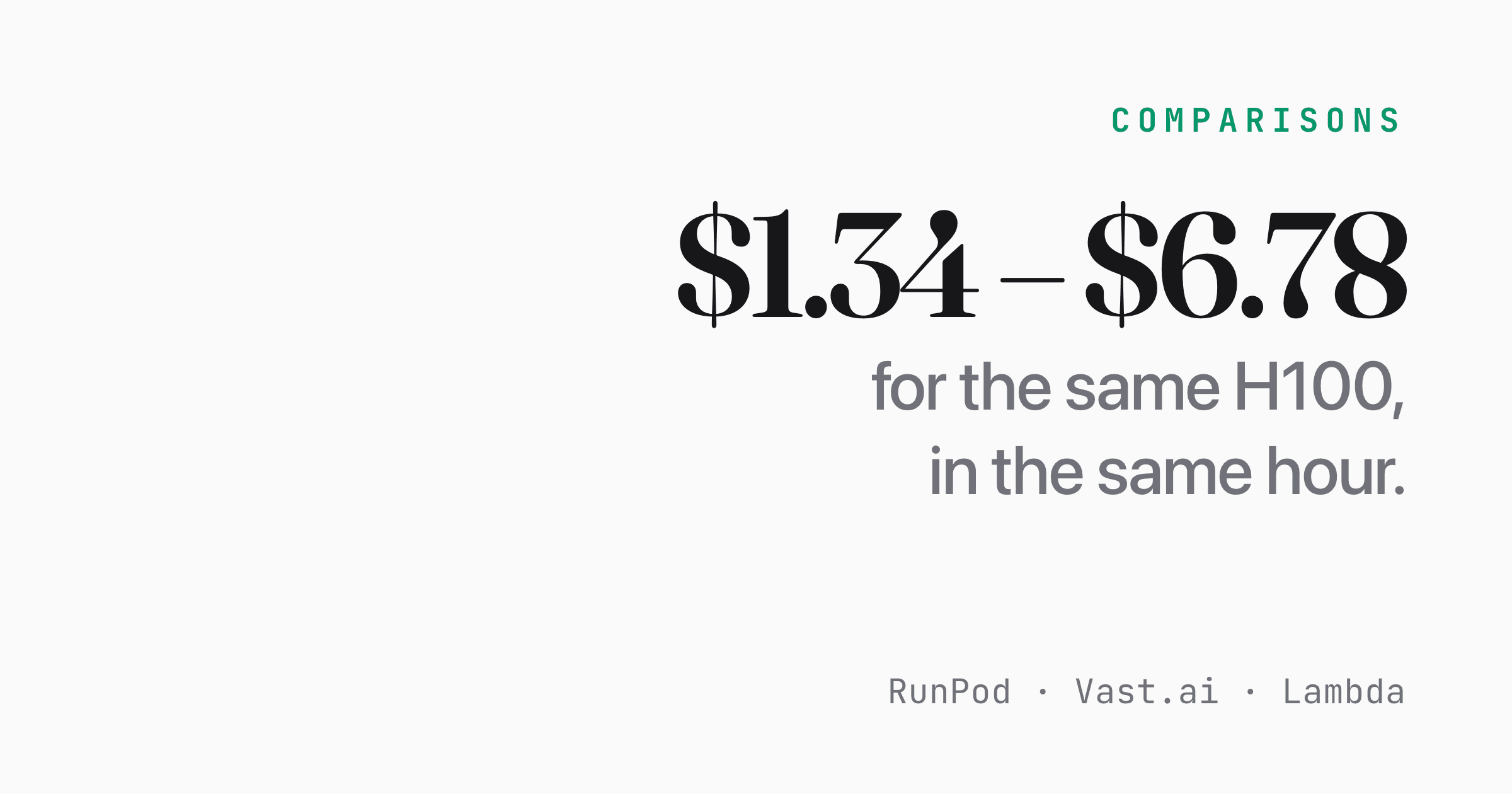
Cloud GPU Pricing Compared: RunPod vs Vast.ai vs Lambda (2026)
The three platforms don't just charge different rates — they sell compute in three different shapes. RunPod posts a flat rate in two tiers, Vast.ai's price is a distribution rather than a number, and Lambda quotes per GPU but sells by the configuration. Here's how that structure decides your bill, plus a July 2026 snapshot and a worked 24-hour H100 example.
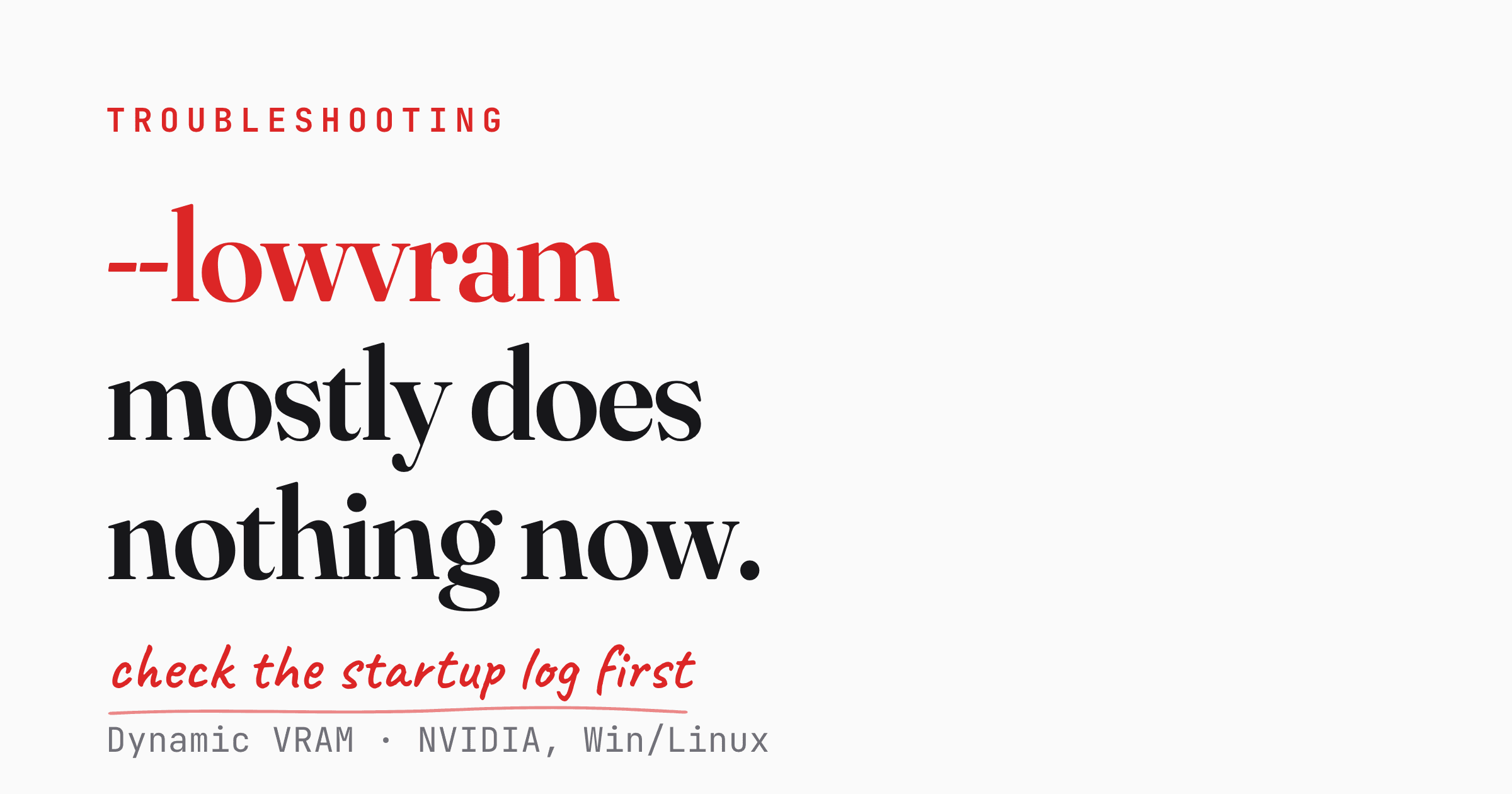
Fix Common ComfyUI Installation and Out-of-Memory Errors
A 2026-current troubleshooting guide for ComfyUI's two most common headaches: install failures (torch/CUDA mismatches, failed custom nodes) and CUDA out-of-memory crashes. Includes copy-paste fixes, and why the once-standard --lowvram flag is mostly a no-op on setups where Dynamic VRAM is actually running — plus how to check whether yours is.
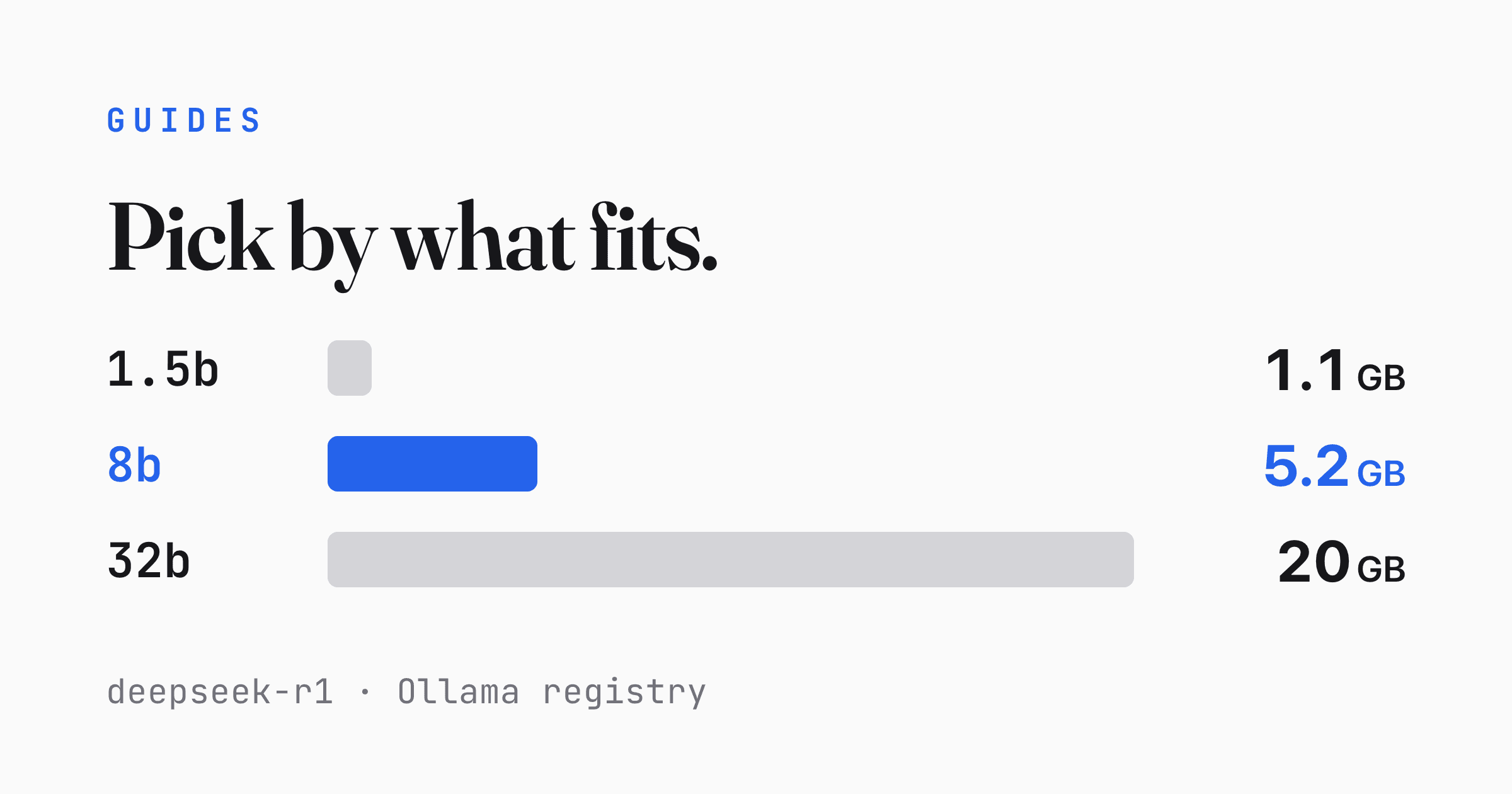
How to Run DeepSeek Locally with Ollama
A step-by-step 2026 guide to running DeepSeek-R1 locally with Ollama: install, pull a model, and chat in about ten minutes. Includes a registry-checked download-size table with VRAM guidance, the distilled-vs-full caveat most guides skip, model management, the local API, and troubleshooting.

How to Build a Local LLM Server with Ollama and Open WebUI
A complete, copy-pasteable guide to running a private ChatGPT-style assistant on your own machine with Ollama and Open WebUI. Covers honest hardware sizing, install steps for macOS/Windows/Linux, the Docker setup, the port binding most guides get wrong, and the networking fix that trips everyone up.